Marmia Font: A Bouncy Script for Modern Web Design
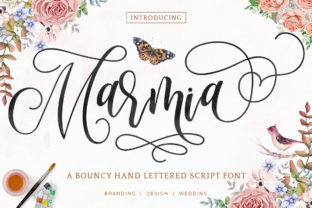
I was deep in the middle of a homepage redesign for a boutique floral studio last Tuesday when I hit that familiar wall. The layout was clean, the images were stunning, but the typography felt sterile. The client wanted something that screamed "hand-crafted" and "full of love," yet every sans serif font I tried made the brand feel like a generic tech startup. That is when I decided to test Marmia, a bouncy hand-lettered script font from Script Amp, to see if it could inject the necessary personality into the digital experience.
The moment I dropped Marmia into the hero section, the entire mood of the page shifted. Unlike many decorative fonts that struggle on screens, Marmia has a natural flow that feels organic rather than forced. It is full of hearts and glyphs that add immediate character without needing extra graphic elements. For a web designer, finding a script font that balances whimsy with legibility is often a hunt, but this typeface seemed to hit the sweet spot right out of the box.
Bringing Personality to Digital Layouts
In modern web design, we often play it safe with typography to ensure readability across devices. However, playing it too safe can strip a brand of its soul. Marmia offers a solution for brands that need to convey elegance and style without sacrificing digital usability. I used it specifically for the main headline and sub-headings on the landing page. The bouncy nature of the lettering creates a rhythm that guides the eye down the page, encouraging users to scroll further.
This font shines brightest in contexts that require an emotional connection. Whether you are building a wedding invite site, a coaching portfolio, or a product landing page for handmade goods, the visual language matters. Marmia's unique glyphs allow for creative accents; I swapped a standard bullet point for one of the included heart symbols, which added a subtle touch of charm to the feature list. These small details contribute significantly to a polished brand identity.
When working on digital product creation, consistency is key. Marmia works exceptionally well as a display font for short phrases and call-to-action areas. I tested it on a "Shop Now" button overlaying a soft pastel background, and the contrast was perfect. The strokes are thick enough to remain visible on mobile screens, provided the font size is adjusted correctly. It proves that a handwritten font can function effectively in a UI context if treated with care.
Readability and Mobile Responsiveness
The biggest concern with any decorative typeface is how it performs on smaller screens. During my testing phase, I previewed the layout on various mobile viewports. Marmia held up surprisingly well, thanks to its open counters and distinct letterforms. However, UX awareness is crucial here. I would not recommend using this font for body copy or long paragraphs. Its strength lies in being a headline or accent font.
To maintain optimal readability, I paired Marmia with a clean, geometric sans serif font for the body text. This classic font pairing strategy ensures that while the headers grab attention with their style, the informational content remains easy to scan. On mobile devices, where screen real estate is premium, keeping the script font limited to titles and short captions prevents visual clutter. It allows the user to focus on the message while still enjoying the aesthetic appeal of the premium font.
Another practical consideration is color contrast. Because Marmia has varying stroke widths, it can get lost against busy image backgrounds. In my project, I placed a semi-transparent overlay behind the text to ensure the white lettering popped against the floral photography. This simple trick preserves the elegance of the font while adhering to accessibility standards. For dark backgrounds, the font's bold characteristics make it stand out, but always double-check your contrast ratios to ensure inclusivity.
Strategic Applications for Online Brands
Beyond the website header, Marmia is versatile enough for a wide range of design assets. I envisioned this font working beautifully on social media graphics, particularly for Instagram stories promoting a new course or workshop. The playful yet elegant vibe fits perfectly with the current trends in editorial design for digital platforms. It adds a human touch to automated feeds, making the content feel more personal and engaging.
For online store owners, using Marmia on banner ads or promotional landing pages can increase click-through rates by creating a sense of exclusivity and style. It signals to the visitor that the products inside are curated with care. Similarly, for course creators, using this font on certificate templates or module headers can enhance the perceived value of the educational material. It transforms a standard document into a keepsake.
If you are developing a digital brand kit, consider where Marmia fits best. It is ideal for logo design if the brand name is short, or as a secondary logo mark. However, before deploying it across client projects or commercial templates, it is vital to check the licensing terms. Ensure you have the correct commercial font license for web embedding and app usage. Script Amp typically provides clear guidelines, but verifying file formats and webfont availability is a necessary step in any professional workflow.
Finalizing the Design System
Integrating a new font into an existing system requires a bit of trial and error. I spent some time adjusting the line height and letter spacing to ensure Marmia sat comfortably within the grid. The result was a cohesive look that felt both modern and timeless. The font did not just decorate the page; it elevated the entire user experience by setting a warm, inviting tone from the very first second.
Ultimately, choosing the right fonts is about storytelling. Marmia tells a story of creativity, care, and elegance. Whether you are launching a new blog, refreshing a portfolio, or designing a campaign landing page, this typeface offers the tools to make your digital presence memorable. By balancing its decorative flair with solid UX principles, you can create online experiences that are not only beautiful but also highly functional and engaging for your audience.